Anti-Vibration Pipe Clamps: Technology and Application Fields
Author:Mingde Time:2026-01-08 14:13:24 Click:96
In industrial environments, pipelines often face significant mechanical stresses, including vibrations from fluid flow, machinery, or external forces. These vibrations can cause fatigue damage, noise, and even failure in some cases. To mitigate these issues, anti-vibration pipe clamps have become a crucial component in modern pipeline systems. Designed to absorb and dampen vibrations, these clamps help maintain the structural integrity of pipelines, reduce noise, and extend the lifespan of equipment.
This article delves into the technology behind anti-vibration pipe clamps, their diverse applications, and the key role that pipe clamp manufacturers play in providing effective, customized solutions for industrial needs.
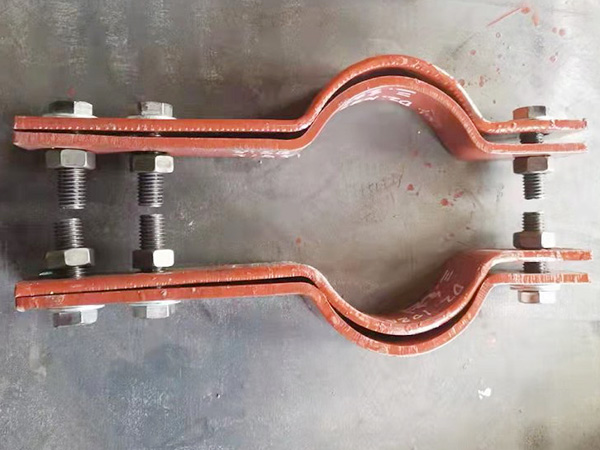

Understanding Anti-Vibration Pipe Clamps
Anti-vibration pipe clamps are specialized components used to secure pipes while reducing the transmission of vibrations through the pipeline. These clamps are typically made from high-quality materials such as rubber, elastomers, or composite materials, which have excellent damping properties. They are designed to absorb and dissipate the mechanical energy generated by vibrations, preventing it from being transferred to other parts of the system.
The primary technology behind these clamps involves their ability to deform elastically under mechanical stress, thereby reducing the amplitude of vibrations. This technology is essential in industries where vibration-induced stress could lead to pipe misalignment, leaks, or premature wear of components.
The pipe clamp manufacturer plays a vital role in ensuring that the right materials, designs, and production techniques are used to meet specific vibration control requirements. With advancements in manufacturing technologies, manufacturers can now produce customized anti-vibration solutions tailored to meet the unique needs of each application.
Key Components and Technology of Anti-Vibration Clamps
1. Damping Materials
The effectiveness of anti-vibration pipe clamps largely depends on the materials used. Rubber and elastomeric compounds are commonly used due to their ability to deform and absorb mechanical energy. These materials are often combined with metal components for enhanced strength and durability, providing a robust yet flexible solution for vibration control.
For example, high-density rubber and synthetic polymers are frequently used in heavy-duty applications, as they offer superior performance in extreme conditions, such as high-temperature or high-pressure environments. Pipe clamp manufacturers invest in advanced material research to develop products that perform well under specific operational stresses.
2. Clamp Design
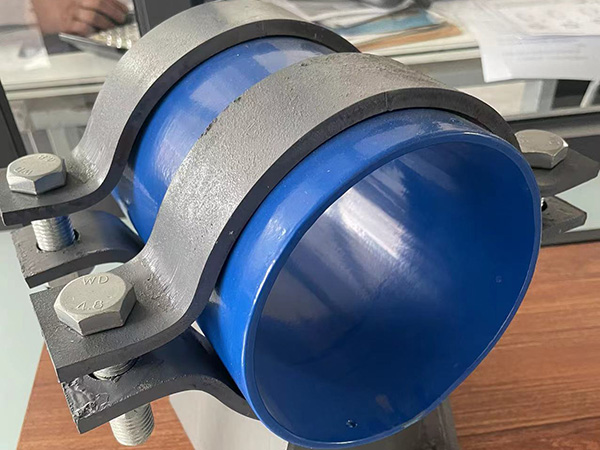
The design of the anti-vibration clamp is critical to its performance. Clamps typically consist of a metal frame (usually steel or stainless steel) with a rubber lining that directly contacts the pipe. The rubber component is responsible for absorbing vibrations, while the metal frame ensures the clamp’s stability and strength.
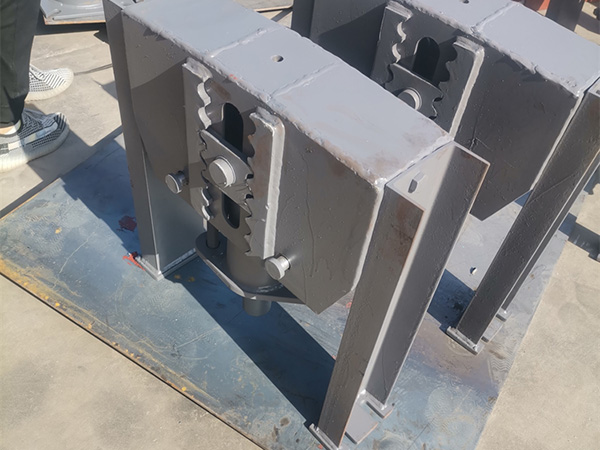
In addition to standard designs, customized clamps can be designed to fit various pipe sizes and installation environments. Adjustable clamps, for instance, allow for flexibility in spacing and positioning, making them ideal for complex pipeline configurations.
3. Vibration Isolation and Control
Vibration isolation is one of the primary functions of anti-vibration pipe clamps. These clamps are engineered to reduce the amplitude of vibrations by isolating the pipe from external forces such as machinery, pumps, or natural resonances in the environment. By damping vibrations, they prevent damage to the pipe and associated systems, which could lead to failures or costly repairs.
In industries where noise is a concern, such as in power plants or oil rigs, anti-vibration clamps also help reduce noise levels by absorbing sound waves generated by pipeline vibrations.

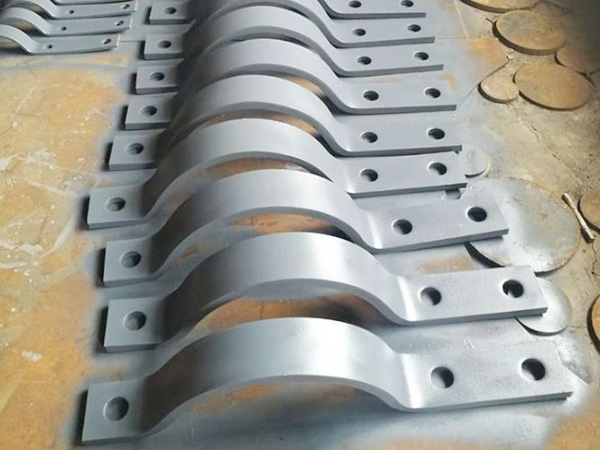
Applications of Anti-Vibration Pipe Clamps
Anti-vibration pipe clamps are used across a wide range of industries, each requiring tailored solutions to manage vibration and ensure safe, efficient pipeline operations.
1. Oil and Gas Industry
In the oil and gas sector, pipelines are often subjected to severe environmental conditions, including extreme temperatures, high pressures, and constant vibrations from pumps and compressors. Anti-vibration clamps are essential for preventing vibrations from leading to pipe wear, leaks, or failure. They also reduce the transmission of sound, which is crucial in offshore drilling platforms where noise can be a significant issue.
2. Power Generation
Power plants, especially those in nuclear and thermal energy production, rely on large, complex piping systems. These systems can experience vibrations due to mechanical processes, such as fluid flow, or external factors like seismic activity. Pipe clamp manufacturers provide high-performance anti-vibration solutions to ensure that the pipes remain secure and free from damage over time, thus maintaining the efficiency and safety of the power generation process.
3. Chemical and Petrochemical Plants
In chemical processing and petrochemical plants, pipelines carry corrosive and flammable substances under high pressure. To avoid pipe failure due to vibration-induced fatigue, anti-vibration pipe clamps are employed to maintain pipe integrity and ensure the smooth flow of hazardous materials. The use of corrosion-resistant materials in the clamps further enhances their lifespan and effectiveness.
4. Automotive Industry
In the automotive industry, anti-vibration pipe clamps are used in exhaust systems, fuel lines, and air conditioning pipes. These clamps reduce noise and vibrations, improving the overall performance and comfort of the vehicle.
Advantages of Anti-Vibration Pipe Clamps
The use of anti-vibration pipe clamps offers several benefits for industries that rely on extensive pipeline systems:
·Enhanced Durability: By reducing vibrations, these clamps prevent premature wear and tear, increasing the lifespan of pipes and associated systems.
·Improved Safety: Vibration-induced damage can compromise the structural integrity of pipelines, leading to potential failures. Anti-vibration clamps mitigate this risk, ensuring pipeline safety.
·Cost Efficiency: Preventing pipeline damage reduces maintenance costs and downtime, ultimately improving the overall cost-effectiveness of pipeline systems.
·Noise Reduction: These clamps also play a significant role in reducing noise pollution, which is particularly important in noise-sensitive environments.
The Role of Pipe Clamp Manufacturers
Pipe clamp manufacturers are responsible for producing these essential components to meet the varied needs of industrial applications. Manufacturers work closely with engineers to design customized solutions that address specific vibration control requirements. By utilizing advanced production technologies, such as precision molding, metalworking, and advanced rubber formulations, they ensure that their products are durable, reliable, and effective in controlling vibrations.
Furthermore, batch production capabilities enable manufacturers to supply large quantities of anti-vibration clamps to meet the demands of large-scale projects. This flexibility ensures that industries can rely on a consistent supply of high-quality clamps for their pipeline systems.
Conclusion
Anti-vibration pipe clamps are a critical component in maintaining the structural integrity of pipeline systems across various industries. Their ability to absorb vibrations and prevent damage to pipes is essential for the long-term performance and safety of pipelines in sectors such as oil and gas, power generation, chemical processing, and automotive industries. By working with a trusted pipe clamp manufacturer, industries can ensure that their pipelines remain secure, durable, and efficient, reducing the risk of failures and costly repairs.
References
GB/T7714:Cao Q, Pojtanabuntoeng T, Esmaily M, et al. A review of corrosion under insulation: a critical issue in the oil and gas industry[J]. Metals, 2022, 12(4): 561.
MLA:Cao, Qing, et al. "A review of corrosion under insulation: a critical issue in the oil and gas industry." Metals 12.4 (2022): 561.
APA:Cao, Q., Pojtanabuntoeng, T., Esmaily, M., Thomas, S., Brameld, M., Amer, A., & Birbilis, N. (2022). A review of corrosion under insulation: a critical issue in the oil and gas industry. Metals, 12(4), 561.
 Hot Products
 Contact Us
Contact:
Mobile:+86 +86 19133378808
Website:mingdepipe.com
Address: