Pipe Support Clamps: Essential Solutions for Secure and Stable Piping Systems
Author:Mingde Time:2026-04-15 19:54:34 Click:100
In modern industrial, commercial, and residential construction, piping systems play a crucial role in transporting fluids, gases, and other materials efficiently. However, without proper support, these systems can suffer from instability, vibration, and long-term damage. Pipe support clamps are essential components designed to ensure the safety, durability, and efficiency of piping networks. This article explores the importance, types, materials, and applications of pipe support clamps, helping you understand why they are indispensable in any piping system.
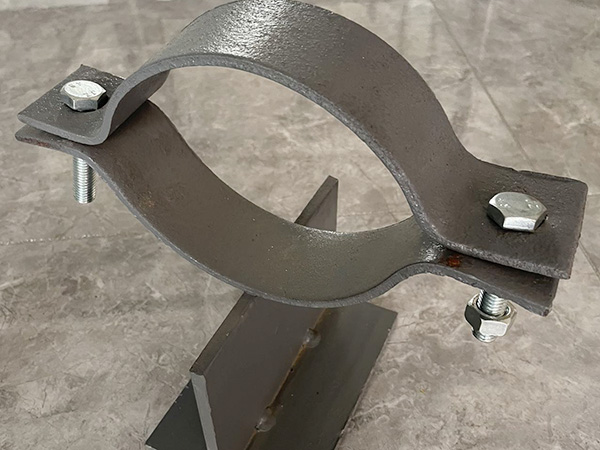
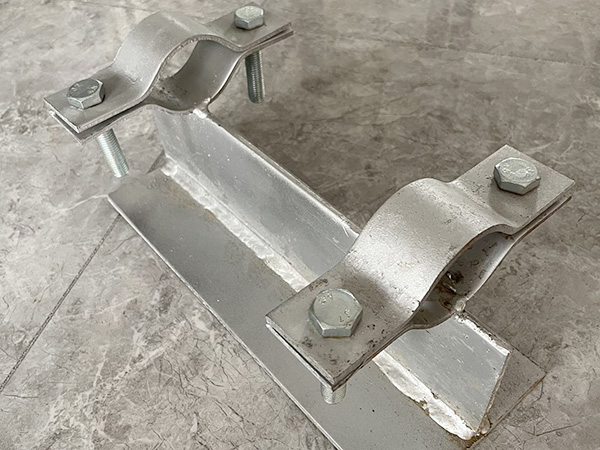
What Are Pipe Support Clamps?
Pipe support clamps are mechanical devices used to secure pipes in place, preventing unwanted movement caused by pressure fluctuations, temperature changes, or external forces. They are typically installed along pipelines to provide stability, reduce stress on joints, and maintain proper alignment.
These clamps are widely used in industries such as oil and gas, construction, HVAC, water treatment, and power generation. Whether it’s a small residential plumbing system or a large-scale industrial pipeline, pipe support clamps ensure that pipes remain secure and functional over time.
Importance of Pipe Support Clamps
The primary function of pipe support clamps is to stabilize piping systems. Without adequate support, pipes can sag, shift, or even break, leading to costly repairs and potential safety hazards. Here are some key benefits:
1. Enhanced StabilityPipe clamps hold pipes firmly in place, preventing movement caused by vibrations or fluid flow. This stability is essential for maintaining system integrity.
2. Reduced Stress and WearBy distributing the load evenly, clamps reduce stress on pipe joints and connections, minimizing wear and extending the lifespan of the system.
3. Vibration ControlIn systems where fluid movement causes vibration, clamps help absorb and reduce these effects, preventing noise and structural damage.
4. Improved SafetyProperly supported pipes are less likely to fail, reducing the risk of leaks, spills, or accidents.
5. Easy MaintenanceWell-supported piping systems are easier to inspect and maintain, saving time and operational costs.
Types of Pipe Support Clamps
There are various types of pipe support clamps designed for different applications and environments. Choosing the right type is essential for optimal performance.
1. U-Bolt ClampsThese are among the most common types, featuring a U-shaped bolt that wraps around the pipe and secures it to a support structure. They are ideal for simple and cost-effective installations.
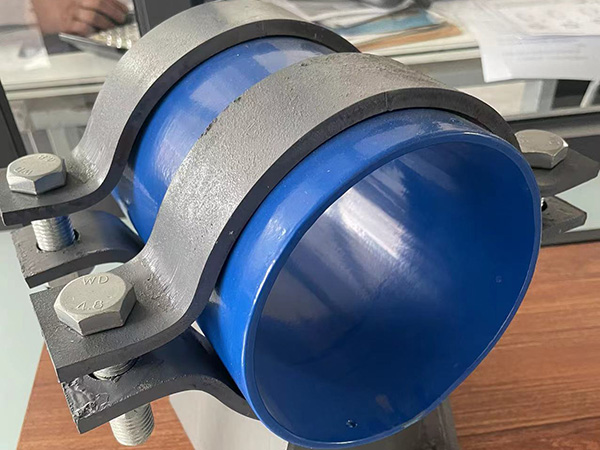
2. Cushion ClampsAlso known as insulated clamps, these include a rubber or plastic lining that protects pipes from damage and reduces vibration. They are commonly used in HVAC and automotive systems.
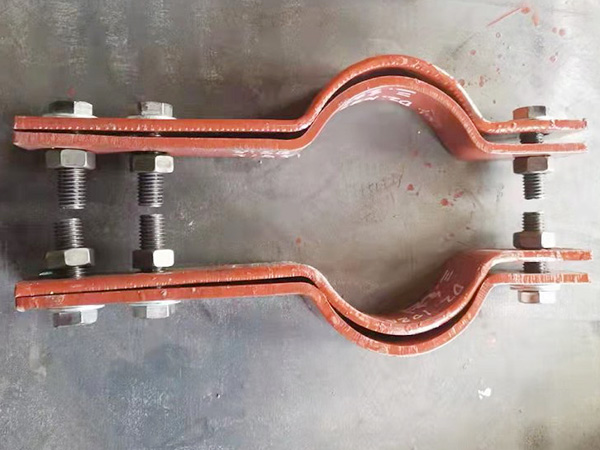
3. Split Ring ClampsThese clamps consist of two halves that can be easily assembled around the pipe. They are suitable for applications requiring frequent maintenance or adjustments.
4. Heavy-Duty ClampsDesigned for large or high-pressure pipes, these clamps offer superior strength and durability, making them ideal for industrial applications.
5. Adjustable ClampsThese clamps can be adjusted to fit different pipe sizes, providing flexibility in installation and reducing the need for multiple clamp sizes.
Materials Used in Pipe Support Clamps
The performance and durability of pipe support clamps largely depend on the materials used in their construction. Common materials include:
·SteelCarbon steel and stainless steel clamps are widely used due to their strength and resistance to corrosion. Stainless steel is especially suitable for harsh environments.
·PlasticPlastic clamps are lightweight, corrosion-resistant, and ideal for low-pressure applications.
·Rubber-Lined ClampsThese clamps feature a rubber lining that provides additional protection and vibration damping, making them suitable for sensitive systems.
·Galvanized MaterialsGalvanized clamps offer enhanced corrosion resistance, making them suitable for outdoor or humid environments.
Applications of Pipe Support Clamps
Pipe support clamps are used across a wide range of industries and applications:
·Construction and PlumbingIn residential and commercial buildings, clamps secure water supply and drainage pipes, ensuring reliable operation.
·HVAC SystemsClamps are used to support ductwork and piping, reducing vibration and noise in heating and cooling systems.
·Oil and Gas IndustryHeavy-duty clamps are essential for supporting pipelines that transport oil and gas over long distances.
·Water Treatment PlantsClamps help maintain the integrity of piping systems used in water purification and distribution.
·Industrial ManufacturingIn factories, clamps support pipes carrying chemicals, steam, or compressed air, ensuring safe and efficient operations.
Factors to Consider When Choosing Pipe Support Clamps
Selecting the right pipe support clamp involves several considerations:
·Pipe Size and WeightEnsure the clamp can accommodate the diameter and weight of the pipe.
·Environmental ConditionsChoose materials that can withstand the operating environment, including temperature, humidity, and exposure to chemicals.
·Load RequirementsConsider the load-bearing capacity of the clamp to prevent failure.
·Installation RequirementsSelect clamps that are easy to install and maintain, especially in complex systems.
·Compliance and StandardsEnsure that the clamps meet industry standards and regulations for safety and performance.
Conclusion
Pipe support clamps are vital components in ensuring the stability, safety, and longevity of piping systems. By providing secure support, reducing stress, and minimizing vibration, they play a key role in maintaining efficient operations across various industries. Whether you are designing a new system or upgrading an existing one, investing in high-quality pipe support clamps is essential for achieving reliable and long-lasting performance.
Choosing the right type, material, and design will not only enhance system efficiency but also reduce maintenance costs and improve overall safety. As infrastructure and industrial demands continue to grow, the importance of dependable pipe support solutions will only become more significant.
References
GB/T 7714:Vibration suppression of spatial pipes with varied clamp configurations: Dynamic modeling and experimental validation. Mechanical Systems and Signal Processing
MLA:Pipe support design considerations for hydrocarbon facilities. International Journal of Science and Research
APA:Research on the vibration characteristics of aviation hydraulic clamp and pipeline based on hard coating. Coatings
 Hot Products
 Contact Us
Contact:
Mobile:+86 +86 19133378808
Website:mingdepipe.com
Address: