Future Trends in Smart and Modular Pipe Support Design
Author:Mingde Time:2026-01-18 18:59:00 Click:73
Future Trends in Smart and Modular Pipe Support Design
As industrial infrastructure projects continue to expand in scale and complexity, Pipe Support Systems are evolving beyond traditional structural components. Modern pipeline projects increasingly demand supports that are smarter, more modular, and easier to integrate into prefabricated systems.
From a manufacturer-driven production and bulk supply perspective, innovation in pipe support design is closely linked to advances in digital monitoring, modular construction, and standardized manufacturing. This article examines the future trends shaping smart and modular pipe support design and their impact on pipeline reliability and project efficiency.
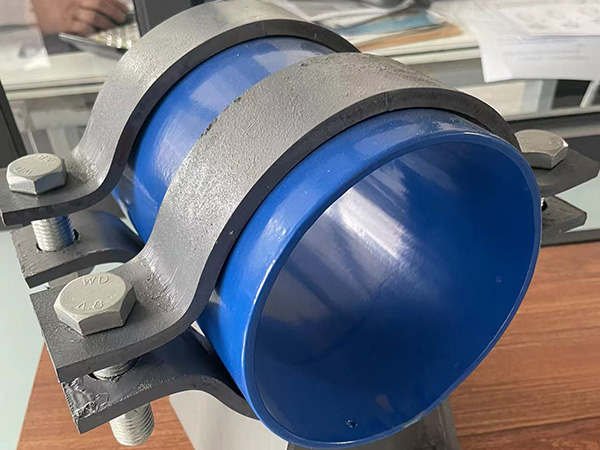
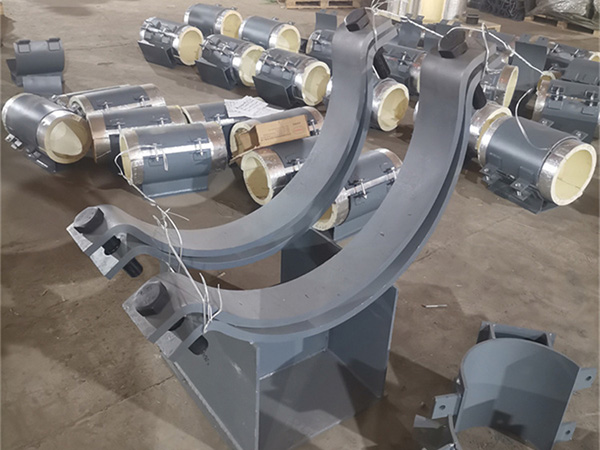
Evolution of Pipe Support Systems in Industrial Applications
Traditionally, pipe supports were designed primarily to carry static loads and maintain alignment. While these functions remain essential, modern systems must now address additional requirements such as thermal movement, vibration control, and installation flexibility.
The transition toward modular construction has accelerated the need for standardized yet adaptable Pipe Support Systems that can be produced efficiently and integrated seamlessly into prefabricated pipeline assemblies.
Smart Technologies in Pipe Support Design
Embedded Sensors and Monitoring
One of the most significant emerging trends is the integration of smart sensors into pipe support components. These sensors can monitor load changes, vibration levels, and temperature variations in real time.
By collecting operational data, smart pipe supports help operators identify abnormal conditions early, reducing the risk of structural failure and unplanned downtime.
Digital Connectivity and Data Integration
Smart supports are increasingly designed to integrate with digital asset management platforms. Data collected from sensors can be transmitted to centralized systems for analysis and predictive maintenance.
From a production standpoint, this trend encourages manufacturers to design supports that are compatible with digital infrastructure while maintaining mechanical reliability.
Modular Design for Faster Installation
Standardized Components
Modular Pipe Support Systems rely on standardized components that can be combined in various configurations. This approach allows designers to adapt supports to different pipeline layouts without creating entirely new designs for each project.
Standardization simplifies production planning and supports efficient bulk manufacturing.
Reduced On-Site Fabrication
Prefabricated, modular supports significantly reduce the need for on-site welding or cutting. Supports arrive ready for installation, which shortens construction schedules and improves safety.
This shift aligns with broader industry trends toward off-site production and controlled manufacturing environments.
Advanced Materials and Manufacturing Techniques
High-Performance Materials
Future pipe support designs increasingly incorporate materials with improved strength-to-weight ratios, corrosion resistance, and thermal stability. These materials enhance durability while reducing overall system weight.
Material innovation allows manufacturers to optimize designs for both performance and production efficiency.
Precision Manufacturing Processes
Advances in CNC machining, automated welding, and surface treatment technologies enable tighter tolerances and consistent quality in bulk production.
For suppliers focused on large-scale manufacturing, precision production ensures that modular supports perform reliably across diverse operating conditions.
Customization Within Standardized Production
While modular systems emphasize standardization, future designs also support a degree of customization. Adjustable features such as variable height, load capacity, and insulation clearance allow supports to meet specific project requirements.
Manufacturers balance customization with production efficiency by designing modular platforms that can be adapted without disrupting bulk manufacturing workflows.
Sustainability and Lifecycle Efficiency
Material Optimization and Waste Reduction
Sustainable design principles are becoming increasingly important in pipe support development. Modular supports reduce material waste by minimizing on-site fabrication and rework.
Efficient production planning further reduces scrap rates and energy consumption during manufacturing.
Long-Term Maintenance Benefits
Smart and modular Pipe Support Systems contribute to lower lifecycle costs by enabling predictive maintenance and easier component replacement. Modular elements can be replaced individually without dismantling entire support assemblies.
This approach improves long-term system reliability and reduces operational disruptions.
Integration with Prefabricated Pipeline Modules
Future pipe support systems are designed with prefabrication in mind. Supports are increasingly integrated directly into pipeline modules during production, ensuring precise alignment and consistent performance.
This integration reduces installation errors and allows manufacturers to deliver complete, ready-to-install assemblies in bulk quantities.
Challenges and Considerations
Despite their advantages, smart and modular pipe supports present challenges. Initial design complexity, integration of electronic components, and higher upfront costs must be carefully managed.
Successful implementation depends on collaboration between designers, manufacturers, and project planners to align technical requirements with production capabilities.
Role of Manufacturing Capability in Future Development
The evolution of Pipe Support Systems is closely tied to manufacturing capability. Suppliers with advanced production facilities can support the transition to modular and smart designs while maintaining consistent quality.
Bulk production capacity, standardized processes, and quality control systems are essential for meeting growing market demand.
Conclusion
Smart and modular pipe support design represents the future of pipeline infrastructure. By integrating digital monitoring, modular construction principles, and advanced manufacturing techniques, Pipe Support Systems are becoming more efficient, adaptable, and reliable.
From a manufacturer-led production and bulk supply perspective, these innovations enable consistent quality, faster project execution, and improved lifecycle performance. As industrial projects continue to evolve, smart and modular pipe supports will play an increasingly critical role in modern pipeline systems.
References
GB/T 7714:Montgomery D C. Introduction to statistical quality control[M]. John wiley & sons, 2020.
MLA:Montgomery, Douglas C. Introduction to statistical quality control. John wiley & sons, 2020.
APA:Montgomery, D. C. (2020). Introduction to statistical quality control. John wiley & sons.
 Hot Products
 Contact Us
Contact:
Mobile:+86 +86 19133378808
Website:mingdepipe.com
Address: