Maintenance Strategies to Extend Pipe Support Lifespan
Author:Mingde Time:2025-12-23 20:40:08 Click:148
Why Pipe Support Systems Require Long-Term Maintenance
Pipe Support Systems form the backbone of industrial and commercial piping networks. From power plants and chemical facilities to HVAC systems and infrastructure projects, these systems ensure pipelines remain properly aligned, supported, and protected throughout their service life.
Manufactured through controlled production processes and supplied in large volumes, Pipe Support Systems are designed for durability. However, continuous exposure to mechanical loads, thermal expansion, vibration, and environmental conditions makes maintenance essential. Without a structured maintenance strategy, even high-quality pipe supports may experience premature wear or failure.
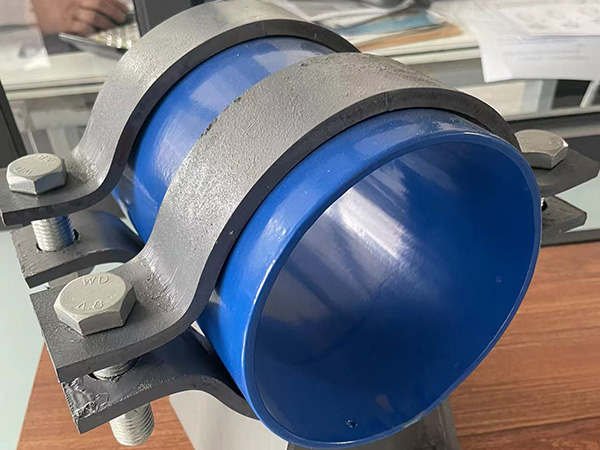
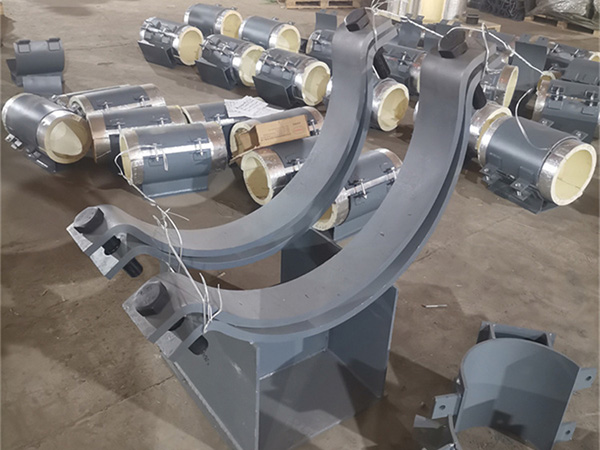
Understanding the Role of Pipe Support Systems
Pipe Support Systems consist of structural components that carry pipeline loads, accommodate movement, and prevent excessive stress on pipes and connections. These systems are engineered to handle static loads, dynamic forces, and temperature-related expansion.
From a manufacturing perspective, pipe supports are produced in standardized configurations and materials, ensuring compatibility and consistency across large-scale projects. This allows manufacturers to maintain stable production output and support bulk supply for complex piping installations.
Common Factors That Reduce Pipe Support Lifespan
1. Mechanical Stress and Load Variations
Over time, pipe supports are subjected to fluctuating loads caused by process changes, vibration, and operational cycles. Excessive or uneven loads can lead to material fatigue, deformation, or cracking.
Routine load assessments help identify overstressed supports before structural damage occurs.
2. Thermal Expansion and Contraction
Pipelines expand and contract with temperature changes. If Pipe Support Systems are not properly maintained, restricted movement can increase stress on both the pipe and the support structure.
Maintenance strategies should include inspection of sliding supports, guides, and expansion allowances to ensure they function as designed.
3. Environmental Exposure
Environmental factors such as moisture, chemicals, dust, and temperature extremes accelerate corrosion and material degradation. Outdoor and industrial environments are particularly demanding.
Protective coatings, insulation interfaces, and regular surface inspections are essential to mitigate environmental damage.
Preventive Maintenance Strategies for Pipe Support Systems
1. Regular Visual Inspections
Visual inspections are the first line of defense in extending pipe support lifespan. Maintenance teams should routinely check for:
·Corrosion or coating damage
·Misalignment or displacement
·Loose fasteners or anchors
·Signs of deformation or cracking
Early detection allows for corrective action before failures escalate.
2. Load and Alignment Verification
Over time, settlement or operational changes may alter load distribution. Periodic verification of pipe alignment and support loading ensures the system continues to operate within design parameters.
This is especially important in large facilities where Pipe Support Systems are installed in high volumes and across extended pipeline routes.
3. Corrosion Control and Surface Protection
Corrosion is one of the leading causes of pipe support failure. Maintenance strategies should include:
·Reapplication of protective coatings
·Cleaning of contaminated surfaces
·Monitoring areas prone to moisture accumulation
Manufacturers often design supports with corrosion-resistant materials, but ongoing protection is still required to ensure long-term performance.
Predictive Maintenance and Monitoring
Advanced facilities increasingly adopt predictive maintenance approaches to extend the lifespan of Pipe Support Systems.
Benefits of Predictive Maintenance
·Early identification of structural fatigue
·Reduced unplanned downtime
·Improved maintenance planning
Techniques such as vibration analysis, thermal monitoring, and load measurement help predict potential issues before they result in failure.
Repair, Replacement, and Standardization
When wear exceeds acceptable limits, timely repair or replacement is essential. Using standardized Pipe Support Systems from consistent production sources ensures compatibility and performance consistency.
Manufacturers with stable production capabilities can support bulk replacement needs, minimizing downtime and ensuring uniform quality across the system.
The Importance of Installation Quality
Maintenance effectiveness is directly influenced by initial installation quality. Proper alignment, fastening, and load distribution reduce long-term stress on supports.
Pipe Support Systems produced under controlled manufacturing processes are designed for precise installation, supporting predictable performance and easier maintenance over time.
Documentation and Maintenance Planning
A structured maintenance plan extends pipe support lifespan by ensuring inspections and repairs are performed consistently.
Key elements include:
·Installation records
·Inspection schedules
·Maintenance history
·Replacement criteria
Clear documentation supports better decision-making and long-term asset management.
Manufacturing Quality and Lifecycle Performance
The lifespan of Pipe Support Systems is closely tied to manufacturing quality. Material selection, fabrication accuracy, and quality control directly affect durability.
Manufacturers with standardized production lines and reliable bulk supply capabilities provide consistent components that simplify maintenance and reduce lifecycle costs for large projects.
Conclusion: Maximizing the Value of Pipe Support Systems
Pipe Support Systems are essential to the safe and efficient operation of piping infrastructure. While designed for durability, their long-term performance depends on proactive and structured maintenance strategies.
By combining regular inspections, corrosion control, predictive monitoring, and timely replacement, operators can significantly extend the lifespan of Pipe Support Systems. Supported by controlled manufacturing processes, stable production capacity, and dependable bulk supply, high-quality pipe supports deliver reliable performance throughout their service life.
References
GB/T 7714:Ding H, Ji J C. Vibration control of fluid-conveying pipes: a state-of-the-art review[J]. Applied Mathematics and Mechanics, 2023, 44(9): 1423-1456.
MLA:Ding, Hu, and J. C. Ji. "Vibration control of fluid-conveying pipes: a state-of-the-art review." Applied Mathematics and Mechanics 44.9 (2023): 1423-1456.
APA:Ding, H., & Ji, J. C. (2023). Vibration control of fluid-conveying pipes: a state-of-the-art review. Applied Mathematics and Mechanics, 44(9), 1423-1456.
 Hot Products
 Contact Us
Contact:
Mobile:+86 +86 19133378808
Website:mingdepipe.com
Address: